Dear ~~first_name~~,
Today's TASA Thursdays session will be an insightful discussion: Schooling misogyny: Examining the influence of the manosphere in education settings, presented by TASA member Steven Roberts and colleague Stephanie Wescott, last year’s winners of the Sociology in Action Award.
We are delighted to welcome new members to TASA and announce updates to our Thematic Groups. A warm welcome to our new conveners, including Samantha Marshall, who is joining as co-convener of the Sport & Leisure group (correction from last week’s newsletter, she is not convening the Early Career Stage Group). The Sociology and Animals group remains the only group without conveners, and we are calling for co-conveners in Ageing Sociology, Crime & Governance, and Environment and Society.
A friendly reminder that the deadline for the March 2nd Book Awards is fast approaching.
Warm regards,
TASA Team
| | TASA THURSDAYS | TODAY Thursday 19 February | 12:30PM AEDT |
Join us TODAY 12:30pm (AEDT) Thursday 19th February for this month’s TASA Thursdays webinar, Schooling misogyny: Examining the influence of the manosphere in education settings. Stephanie Wescott and Steven Roberts, winners of the 2025 Sociology in Action Award, explore how misogyny is reshaped and normalised within school contexts, tracing links between online manosphere ideologies and offline harm. This timely session examines how gender-based violence is minimised in institutional settings.
CLICK HERE TO REGISTER | | | | TASA THURSDAY POSTGRAD | Thursday 26 February | 12:30PM AEDT |
Join us NEXT THURSDAY for this month’s TASA Thursdays Postgraduate Session, Researching Sensitive Topics: Ethics, Care, and Boundaries.This reflective and practical webinar invites sociology postgraduates and early career researchers to explore the ethical complexities of qualitative research. Our panellists will discuss care, responsibility, emotional labour, and boundary-setting across fieldwork, analysis, and writing, offering insights into managing wellbeing while maintaining analytical rigour.
| | | TASA 2026 - SUBMISSIONS OPEN
| Earlier this week, you should have received our first call for submissions for TASA 2026, which promises to be an inspiring event bringing together the sociological community to explore the theme: Revolution and Resistance. This year’s conference theme asks: What can sociology offer to understandings of resistance and revolution? How can we read resistance and revolution expansively, productively and generatively in pursuit of a better world?
General Abstract Submission Deadline: 24 April
These include thematic group presentations, book launches, photography exhibitions and workshops.
Panel Proposal Abstract Submission Deadline: 29 March
This is for panel proposals only.
More details about the conference, including the submission links, are available on our TASA 2026 web pages here..
Note, the conference bursary applications are now open as well. You need to submit an abstract before applying for a bursary.
| As a friendly reminder, the nomination deadline for our two TASA Book Awards is fast approaching; March 2nd:
- Stephen Crook Memorial Prize: Awarded for the best authored book in Australian Sociology.
- Raewyn Connell Prize: Awarded for the best first book by an author in Australian Sociology.
Note, if a book is eligible for the Raewyn Connell Prize it may also be nominated for the Stephen Crook Memorial Prize (i.e. can nominate one book for both prizes but would need to supply 12 copies of the book - 6 for each book prize panel).
We will include details about TASA's other 2026 Award opportunities in a subsequent newsletter.
| Welcome back to all our renewing members for January and February, and welcome to new members Noelle Simpson and Margo Turnbull. It's good to have you with us, and we hope you are enjoying your first TASA E-Newsletter!
| Visibility, influence, and dissemination beyond TASA.
| Sidhu, R. K., Cheng, Y., & Waters, J. L. (Eds.). (2025). Elgar encyclopedia of the sociology of education. Edward Elgar Publishing.
| | The Elgar Encyclopedia of the Sociology of Education examines the prospects of a global and decolonial sociology of education by drawing on international and interdisciplinary cases and perspectives. Entries shed new light on the field’s concerns with equity, justice and opportunity by addressing issues such as the impacts of inequality on urban and rural schooling, the effects of digitalization on the worlds of work and climate change, the allure of nationalism and the regimes imposed by the politicization of migration. Read on... | | | Health Sociology Review: Call for new editorial team
| As a reminder, applications are invited for the editorship of Health Sociology Review (HSR) for the three-year term 2027 - 2029.
Transition arrangements will begin later in 2026, although the content for the first issue of 2027, and possibly the second, will be finalised by the out-going editorial team.
The application deadline is Monday 22nd June, 2026.
The full details of the call are available on TASAweb here.
| We continue to seek Convenors for the Mid Career Stage Group. If you've been working in the field of Sociology for 10 or so years, and have ideas around ways to build networks and offer activities that would benefit you at work or in your research, with some support from TASA staff, please do get in contact with Ali via membership@tasa.org.au.
| If you are a thematic group (TG) convener, or a member of a TG, note that the next TG funding deadline is March 1. If you have any questions, please contact Sally Daly in TASA Admin as Naomi, our TG portfolio leader, is currently overseas on leave.
| Continuing Leadership of TASA Thematic Groups
| We’re delighted to recognise the conveners who have chosen to continue leading their thematic groups for another two-year term. Your ongoing dedication keeps our groups vibrant and ensures members have strong support for collaboration, research, and engagement. Some groups have also welcomed new co-conveners; for now, we would like to acknowledge those extending their term.
Thank you to:
Applied Sociology: Rose Stambe
Critical Disability Studies: Jayne Garrod
Crime & Governance: Joseph van Buuren
| At Risk: Sociology and Animals Thematic Group
| We are absolutely delighted to announce that Sally Hourigan and Suzanne Egan have stepped up to co-convene the Genders & Sexualities Thematic Group. It is genuinely heartening to see members volunteering their time, energy and expertise to support TASA in this way. Our thematic groups thrive because of members who are willing to lead.
Yesterday, we also received expressions of interest from members keen to convene the Remote, Regional & Rural Sociology, Social Stratification, and Social Theory Thematic Groups. We are very grateful for this strong response and will announce those details shortly.
With these developments, we now have just one group without conveners: Sociology & Animals.
If you are interested in convening the Sociology & Animals Thematic Group, please contact Sally in TASA Admin. We would very much welcome hearing from you.
| Groups Seeking Co-Conveners
| Three of our Thematic Groups are looking for members to step into co-convening roles:
Being a co-convenor is a rewarding way to contribute to TASA, help shape discussions in your area, and connect with colleagues across institutions and career stages. You won’t be doing it alone, support is available from the Thematic Group Portfolio Leader, the Events Manager, the Membership Director, and me.
If you’re interested in stepping into a co-convenor role, for one of the above groups, or want to know more about what it involves, please contact Sally TASA Admin.
| This week, we are delighted to welcome Sally Hourigan & Suzanne Egan as co-convenors of our largest Thematic Group, Genders & Sexualities.
Together, we look forward to a dynamic term for the Genders & Sexualities group and the valuable work it will continue to contribute to our TASA community.
| 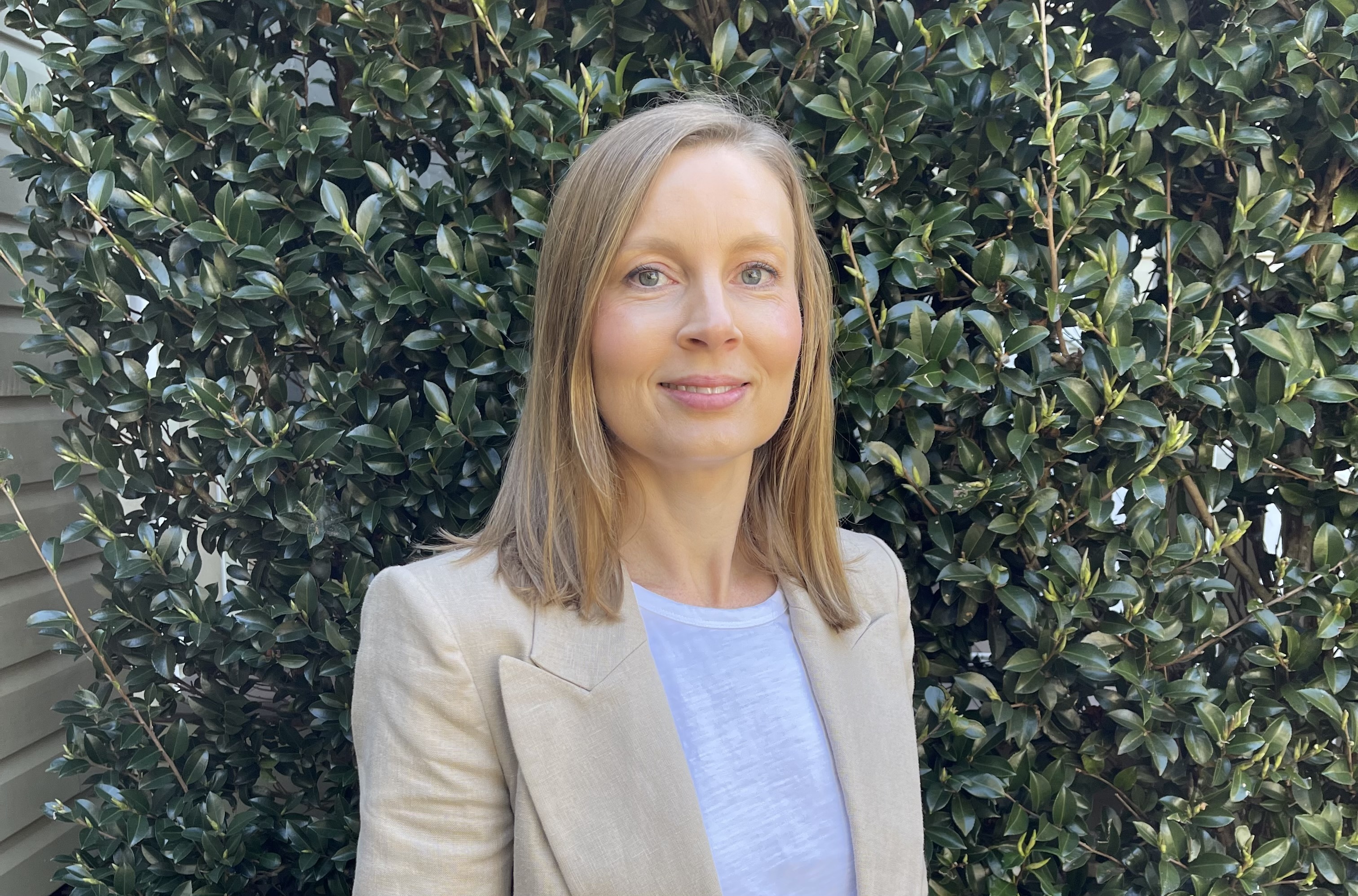 |
Dr Sally Hourigan is a Lecturer in Humanities (Sociology and Anthropology) for the School of Business, Law, Humanities & Pathways at the University of Southern Queensland, Toowoomba. As an experienced ethnographer and material culture studies researcher, Sally examines the relationships women cultivate with and through clothing. Most recently, her research has explored the ways that sustainable practices are ‘accidentally’ engaged by women when managing their wardrobes (linked here). Further, Dr Hourigan progresses research on classic cars and masculinities, community formation, community development, and the benefits of social cohesion to the lived experience of community. As part of a project team, Sally has received funding to investigate Australian local government approaches toward the configuration and declaration of community in regional settings. Sally is Editorial Manager for the leading academic journal Discourse: Studies in the Cultural Politics of Education and is an active member of The Australian Sociological Association and the Australian Women’s and Gender Studies Association.
| 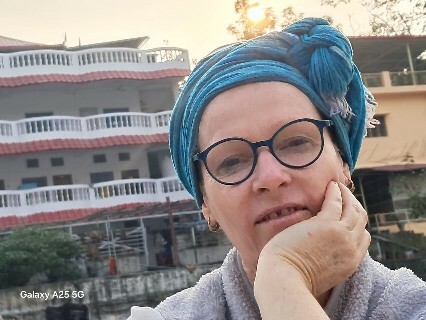 | Suzanne Egan is a Lecturer, in the School of Social Sciences, Western Sydney University. Suzanne's research focuses on both theoretical and applied work on gender-based violence and aims to embed community-based ways of knowing and being into academic research. This trajectory had its antecedents in Suzanne’s work as a sexual assault counsellor/advocate which attuned them to the ways in which ‘large’ seemingly abstract social theories and concepts are embedded in organisational structures and enacted through everyday practices. Suzanne’s current research programme explores the dominance of ‘trauma informed practice’ in sexual assault and domestic violence policy and practice with particular attention to the increasing influence of neuroscientific theories of trauma. A second strand of related research focuses on community led projects that aim to prevent gender-based violence through school and university-based interventions. More recently work on a community lead project on adopting Indigenous Australian pedagogies in preparing culturally competent teachers has led to a broader interest in decolonising teaching and learning practices in higher education.
| | |
This week, we’re also delighted to share that Paul Bowell is continuing in the role as convener of the Sport & Leisure Thematic Group, bringing valuable continuity and insight to the group. We also warmly welcome new conveners: Rohini Balram, Georgia Munro-Cook, Md Azmain Muhtasim Mir, and Samantha Marshall (who was incorrectly listed as the new convenor of the Early Career Stage Group last week!). Together, this team combines established expertise with fresh ideas to strengthen and energise the Sport & Leisure community.
|  | | Dr Paul Bowell is a lecturer at Swinburne University of Technology and a member of the Sport Innovation Research Group. His work spans projects in sociology, organisational practice, sport sociology, and sport management. Paul holds a Bachelor of Arts (Honours) in Sociology from the Australian National University and a PhD from Swinburne University of Technology. His doctoral research explored women athletes’ engagement with digital self-tracking technologies through the lens of sport sociology and management.
Paul's research areas focus on the intended and unintended consequences of people’s engagements with technology, gendered dimensions of sport and leisure activities and understanding the lived experiences of women and girls in sport. Paul has published in ranked peer-reviewed sport and leisure, and employment journals and has engaged in various research and consulting activities across professional sports organisations and teams, local councils, start-up tech companies, professional and hospitality employment settings and gig economy platforms in Australia. Paul’s current projects include working with the Department of Transport and Planning (DTP) investigating the impact of algorithmic management on gig workers’ and road safety in Victoria and developing an AI-driven solution to address discrimination in community sport.
| 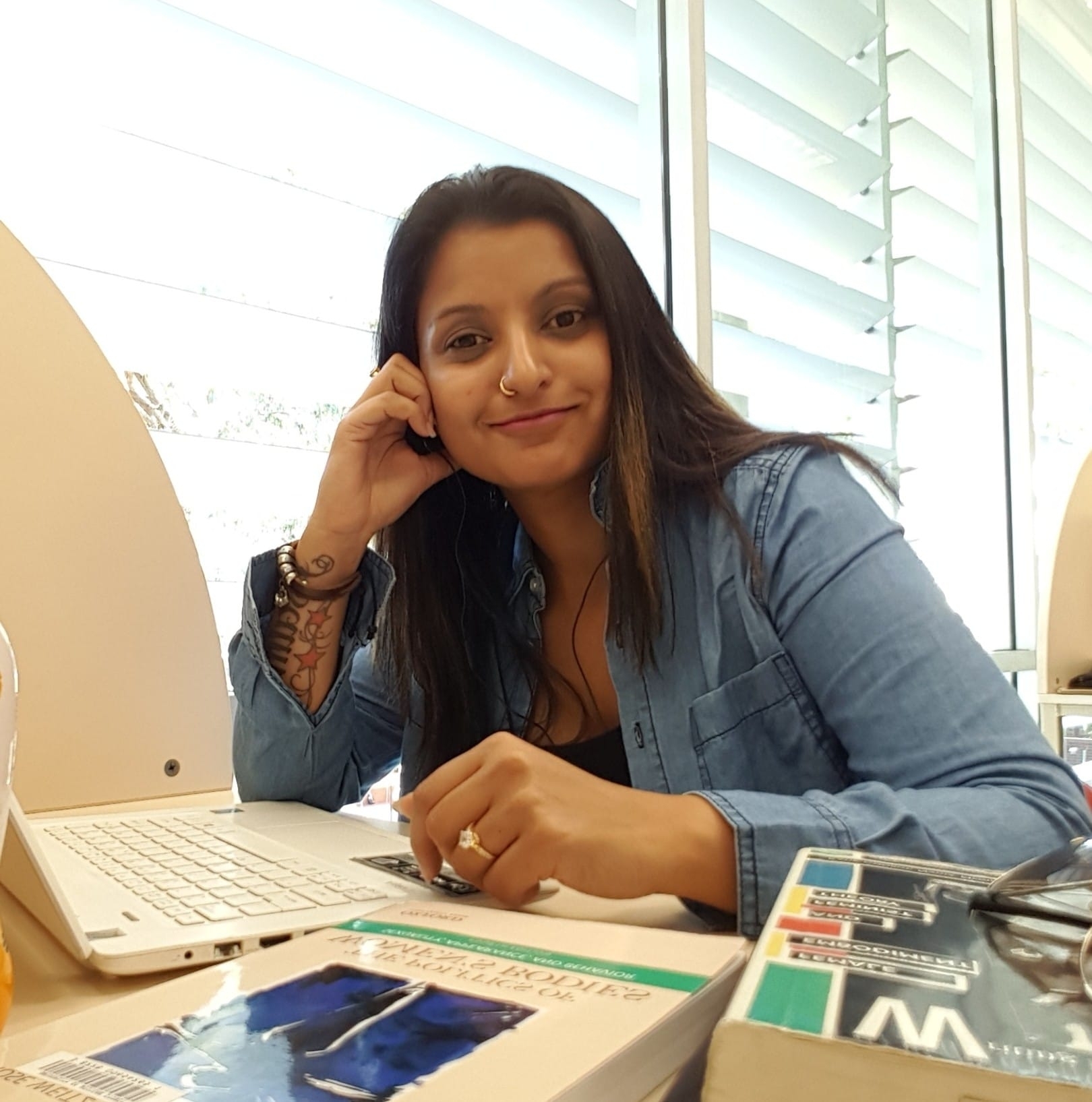 | Dr Rohini Balram is a gender and sports sociologist; she is an Adjunct Fellow in the School of Social Sciences at Western Sydney University. Her research focuses on gender, race, migration, sport, movement culture, and equity among marginalised communities. She employs arts-based, decolonial, and participatory methodologies to centre the lived experiences of underrepresented groups. Rohini’s doctoral research explored the barriers faced by Indo Fijian women in sport, highlighting how gender, race, and colonial legacies shape participation and visibility. She is the author of Young Indo Fijian Women Breaking Barriers in Fijian Sporting Spaces: An Arts Based Approach (Palgrave Macmillan Singapore, 2025), which uses creative and visual methods to amplify the voices of South Asian background young women in Oceania as they navigate and resist marginalisation in sporting environments. Rohini’s work seeks to generate knowledge and address research gaps to inform policies and programs that foster equitable and culturally inclusive sporting spaces across Oceania, the South Asian diaspora, and other multicultural contexts, using decolonial research methodologies. Beyond academia, she is a poet, middle-distance runner, and fitness trainer, supporting migrant women’s physical activity and leisure through culturally responsive and decolonial approaches.
| | |
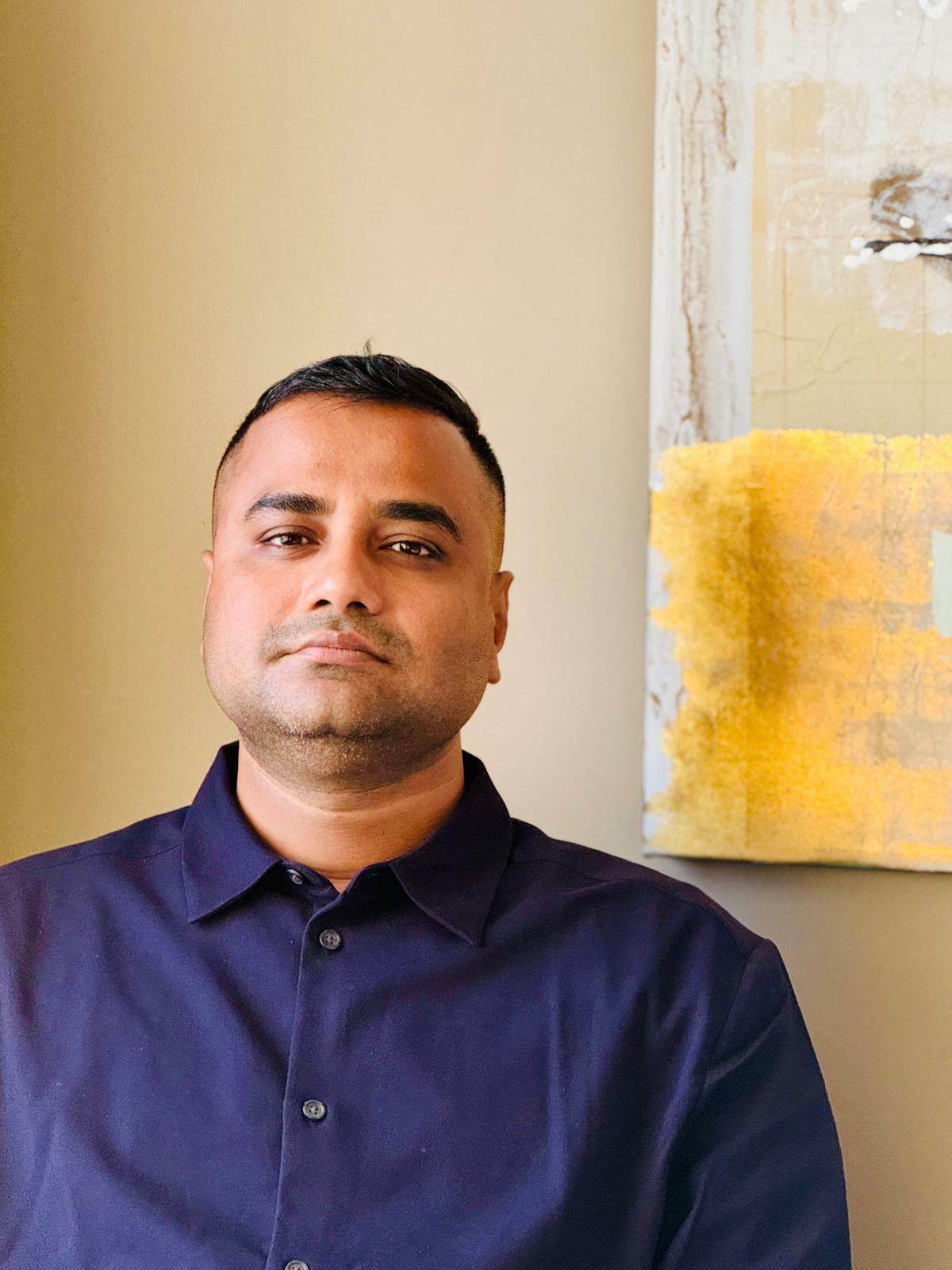 | Dr Azmain Muhtasim Mir is a researcher and practitioner specialising in anthropology, regional development, and community wellbeing. He recently completed a PhD in Society and Culture at the University of Tasmania (UTAS), where his research explored how regional tourism and community collaborations can activate common pool resources to strengthen the cultural capital of young people in Tasmania’s West Coast. He holds teaching and research roles at UTAS and La Trobe University and serves as Program Officer (Health and Wellbeing) at the Migrant Resource Centre Tasmania. Dr Mir previously worked with Save the Children International and icddr,b and taught Anthropology at Comilla University.
|
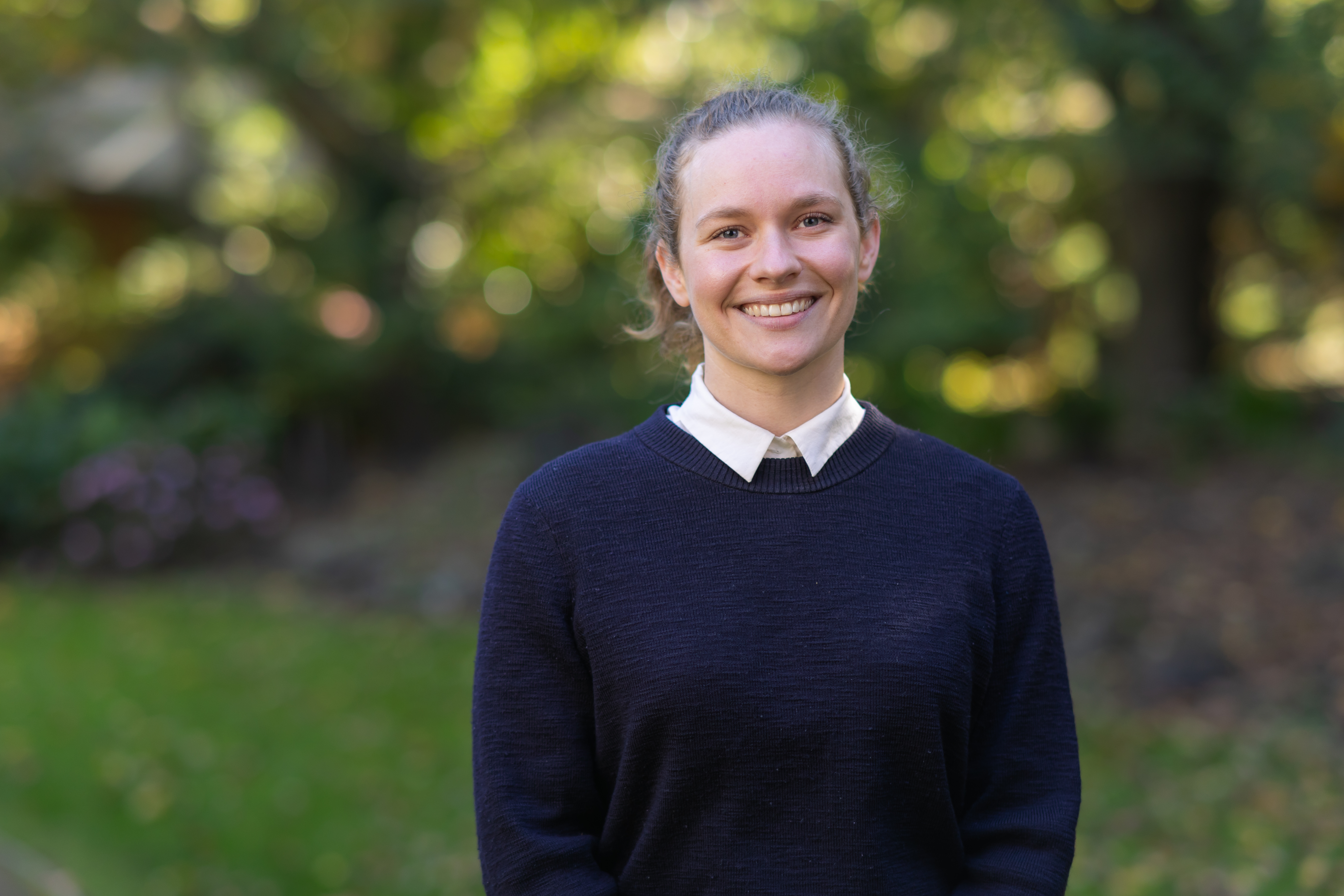
 | | Georgia Munro-Cook is a Research Fellow at Griffith University, as part of the ARC Linkage project, Addressing the Gender Gap in Disability Sport. Her research focuses on gender and sport, and in particular the intersection of gender and disability to improve the experiences for women with disability in sport. Furthermore, she is author of the book Building the WNBA: From "Dunking Divas" to Political Leaders, the first full length monograph on the WNBA, with a focus on notions of embodiment, professionalisation, and the promotion and elevation of women’s sports, and how these issues interact with gender, race, class, and sexuality in broader society. She is also a Paralympian and is captain of the Australian wheelchair basketball team. |
|
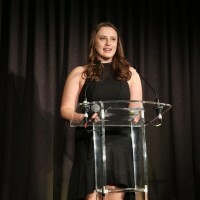
 | Samantha Marshall has recently completed a PhD examining barriers to women in basketball in Australia across all roles and all levels of competition. After a career as a professional swimmer for Australia, Samantha is now working as a Research Fellow at the La Trobe Rural Health School on an ARC funded study exploring the prevalence of gender-based violence in sport in Australia. She is a mixed-methods researcher specialising in Concept Mapping and qualitative data analysis. Her research focus is on structural and organisational gendered barriers, and prevention of gender-based violence in male-dominated settings like sport and academia. Feminist institutionalism informs her work and analysis.
|
|
| Scholarship Opportunities
| PhD Scholarship - Older adult abuse and migration
Edith Cowan University
A PhD student is sought to conduct a nested study as part fellow member Catriona Stevens's ARC-funded DECRA ‘Elder abuse and migration: Addressing the abuse of older adults to support safer ageing in multicultural Australia'.
The PhD project will focus on one or more community language groups in Australia. It will deliver new knowledge about how older adult abuse is understood, and how it manifests in Australian, homeland, and transnational contexts.
| Introducing Special Sections
Following the recent launch of a new paper type for Journal of Sociology, Teaching Notes, the JoS team are launching a new feature called Special Sections. They invite proposals at any time for thematic sections that consist of three or four standard 8,000 word papers, framed with a 4,000 word introduction. This will be an ideal format for developing and publishing outcomes from, for instance, a conference panel, a smaller research network, or papers in conversation around a hot topic. Special Sections are designed to be a smaller, more manageable version of a special issue and will feature in standard issues along with regular papers.
If you would like to pitch a special section, please write firstly to our Managing Editor, Dr Amy Vanderharst.
| The latest special issue of the Journal of Sociology explores ‘Equity in the creative industries’ in the context of a changing employment landscape in Australia. Inequality is central to understanding the social consequences and distribution of cultural work. The COVID-19 pandemic, rise of digital cultural production, growth of media sharing platforms, and instability of changes in government (and policy) have both disrupted and re-organised cultural work. The collection of articles aims to develop debate on competing imaginaries of the lived experiences of workers, and to shed light on the struggle and complexities of contemporary creative labour.
All articles have been published on open access and are available here.
| Other Events, News & Opportunities
| New: Journal of Intercultural Studies - call for Associate Editors
Applicants with expertise in cultural studies and postcolonial literature; decolonial studies; race/ethnicity/migration studies are encouraged to apply. Our Associate Editors are based in different locations around the world - applicants from diverse geographies are encourged. Feel free to reach out to the current editors-in-chief if you have any specific queries.
New: British Sociological Association's Sociological Research Online (SRO) and Cultural Sociology (CUS) - call for Editors
SRO and CUS are currently accepting applications for new Editorial Board members for a 3-year term from 2026-2029.
| ANU School of Sociology Honours and PhD - Online Information Session
| New: Honours and PhD - Online Information Session
If you are interested in pursuing an Honours or PhD in sociology, you can join the online information session from the ANU School of Sociology.
TOMORROW February 20th, 4-4:45pm AEDT
| New: Influencer Diplomacy
Online, 24 April
Influencer diplomacy operates not only at formal state and institutional levels but also intersects with everyday politics, shaping public discourse and social engagement. Selected papers for this symposium will be considered for a peer reviewed edited collection. As such, only original, previously-unpublished abstracts/papers will be considered.
Abstract submission deadline: 16 March.
| How to make a parliamentary submission and appear at an inquiry
The Australian Institute Policy School
Online, TODAY February 19 11am AEDT
This special, one-off Policy School is a guide on how to make an effective submission and give evidence before a committee, based on the Australia Institute’s experience participating in dozens of parliamentary inquiries.
| States of Solidarity: How to Build a Society
Book launch with Professor Barbara Prainsack, University of Vienna. Barbara was a TASA 2022 Keynote.
University of Sydney
Friday, Feburary 27 from 12:30 pm to 2 pm AEDT
For details, and to register, read on...
| Online Research Workshops
| Ethics in practice and trauma-aware data collection
Refugee Education Australia
An online guided workshop series for researchers working in fragile contexts – areas like forced migration, gender-based violence, disaster research, anything involving trauma or sensitive data.
18 March, 25 March & 1 April. All 3-5pm AEDT.
Fellow member Phillipa Bellemore will be one of the workshop facilitators.
Migrant Lives in the Age of Artificial Intelligence: Digital Care, Belonging, and the Re-making of Migration Experiences
An international, interdisciplinary research workshop examining the rapidly evolving relationship between migration and Artificial Intelligence (AI).
Online, June 17
Abstract submission deadline: March 15. Read on...
| International Center for the Sociology of Religion (ICSOR)
The grants provide residence in Rome for the duration of a week or more to a maximum of two months. The ICSOR apartment (all-inclusive, except for food and insurance) and library will be available to awardees free of charge.
| Newcastle Youth Studies Centre (NYSC) 2026 Online Seminar Series
The full 2026 program for the Newcastle Youth Studies Centre’s online seminar series is now out (see below), you can check out each seminar, and register for them, at the NYSC Eventbrite page here.
Note, you can watch the full 2025 recordings at the NYSC's YouTube playlist here.
| The Sorrento Creative Writing Prize
The Prize celebrates the annual Sorrento Writers Festival and its mission to bring writers and readers together.
The winner will receive $5,000 and their writing featured at the 2026 Sorrento Writers Festival and at www.writing.org.au
| Temporalities: The Sixth Annual Critical Femininities Conference
Online, August 7 - 9
The Critical Femininities Network invites abstracts from scholars, researchers, activists, and artists
Toward an Intelligent Society: Challenges & Opportunities” [Human Intelligence(s) vs. Artificial Intelligence]
University "Fehmi Agani" Gjakove, KOSOVO
Hyrbid, 22-23 May
Religion as a Weapon of War: in the past, present and future
World Conference for Religio. us Dialogue and Cooperation
June 22-26. 2026, Skopje, North Macedonia
Abstract submission deadline: April 15.. Read on...
BSA Annual Conference 2026: 75 Years of Sociology
University of Edinburgh, UK
8-10 April.
| Special Issues - call for submissions
| Social Conditions, Clinical Logics: Rethinking Young People’s Engagement with Drug Treatment
International Journal of Drug Policy
This special issue invites submissions that explore or examine how the social conditions of young people’s substance use shape their engagement in drug treatment. Editors are looking for papers that critically explore, among other things, biomedical and psychologised approaches to AOD care, how contexts of crisis and social inequity shape treatment experience, and how treatment might be experienced differently by First Nations, LGBTQ+, refugee, migrant and racialized youth.
Serendipities. Journal for the Sociology and History of the Social Sciences
If you would like to propose a special issue for their collection, please feel free to discuss this with the Managing Editors. If your ideas are further advanced, you are welcome to send them a one-to-two page proposal.
Managing Editors:
- Fran Collyer, University of Wollongong Australia, Fran@francollyer.com
- Kristoffer Kropp, Roskilde University, Denmark, kkropp@ruc.dk
You can find more information about our journal here.
Professionalism beyond the Global North: A Space for New Theoretical Developments
Current Sociology Monographs
This issue invites contributions that advance sociological research on professions, professionalism, and expertise in the Global South—broadly defined to include Africa, Asia, Latin America, Southern and Eastern Europe, and Oceania
Earning while Learning: Experiences, patterns and the political economy of working students
Work, Employment and Society’s new special issue aims to interrogate and fundamentally reconceptualize the relationship between earning and learning, bringing together different disciplinary approaches to interrogate student work and the global political economy that shapes it.
Paper submission deadline: 27 February. Read on...
Humanities and Social Sciences Communications
The guest editors of this journal are seeking submissions for the forthcoming edition ‘Reframing artificial intelligence: Critical perspectives from AI social science’
In an era increasingly shaped by artificial intelligence (AI), public and academic discourse is often dominated by polarised narratives—either heralding AI as a solution to complex problems or warning of its dangers … this Collection invites social science perspectives to advance the study of AI’s sociotechnical, cultural and political dimensions.
Submission deadline: 30 April. Read on...
| We’ve given our membership tips, that previously lived at the bottom of every newsletter, a fresh new home. All the advice, resources, and how-tos are now on our new Members' Navigator webpage. For quick reference, we will include a link to the new webpage at the bottom of subsequent newsletters.
| Admin (Sally): admin@tasa.org.au
Events (Penny): events@tasa.org.au
Membership (Ali): membership@tasa.org.au
Digital Publications Editor (Roger): digitalpe@tasa.org.au
Thematic Groups (Naomi): thematicgroups@tasa.org.au
Postgraduates (Molly): postgraduates@tasa.org.au | |